iCareManager Blog
How COVID-19 Impacts People with Disabilities
Understand the unique challenges and profound impacts the COVID-19 pandemic has on individuals living with disabilities.
August 22, 20203 min read
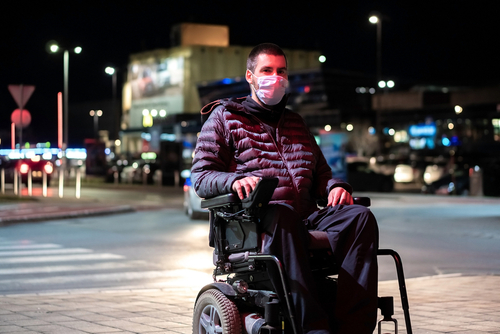
While the impact of the virus is something we’re all dealing with, research on previous pandemics has shown that people with software for disabilities have additional challenges, like finding safe in-home care and adhering to public health guidelines on preventing getting sick.
Higher Risk
While having a disability doesn’t inherently make one higher risk for contracting a virus, individuals with disabilities may have a higher risk of severe illness or infection due to a variety of factors, like their health and mobility levels.
Disability groups who are considered higher risk include:
- Those with limited mobility who rely on the support of others, like family members or direct support providers who may be infected
- Those who have difficulty practicing or understanding preventative measures, like social distancing and hand-washing
- Those who are unable to communicate symptoms
- Those with underlying health conditions, particularly those relating to immune system function, respiratory function, diabetes, and heart disease
People with disabilities are three times more likely to have diabetes and heart disease than those without disabilities, according to the CDC.
COVID-19 may also disproportionately affect those with disabilities because of disruptions to the services and support they rely on.
Actions for DSPs
By taking the necessary steps, you can help curb the infection rate of those you care for.
- Implement a plan that includes staying up-to-date on preventative measures and holding additional training for your staff.
- Communicate frequently with both individuals with disabilities and their support networks. Provide a variety of communication platforms, like calls, texts, and social media to share important information on COVID-19.
- Reduce the possibility of exposure to the virus through training and through the use of protective equipment like masks, hand sanitizer, and gloves. Maintain social distancing by conducting home-based consultations similar to telehealth (when appropriate).
- Provide additional support for those with more complicated needs. Work with their support network and identify contingency plans for when there are fewer or no caregivers available.
- Identify people with disabilities who have a potential for a decline in mental health due to the pandemic as well as those with the potential for experiencing abuse or neglect, and mitigate these risks.
Final Thoughts
People with disabilities are impacted by COVID-19, either due to barriers to accessing support and public health information or due to underlying medical conditions.
With planning, training, effective communication, and by embracing preventative measures, caregivers and DSPs can take action and mitigate the risks.
See how iCareManager works in practice
Book a DemoFAQ
Frequently Asked Questions: iCareManager EHR
Find quick answers to the most common questions about iCM’s features, support, integrations, and more.